
Classical Gardens of Suzhou
A UNESCO World Heritage group of scholar-built gardens in Suzhou, China.

Francesco Bandarin · CC BY-SA 3.0 igo
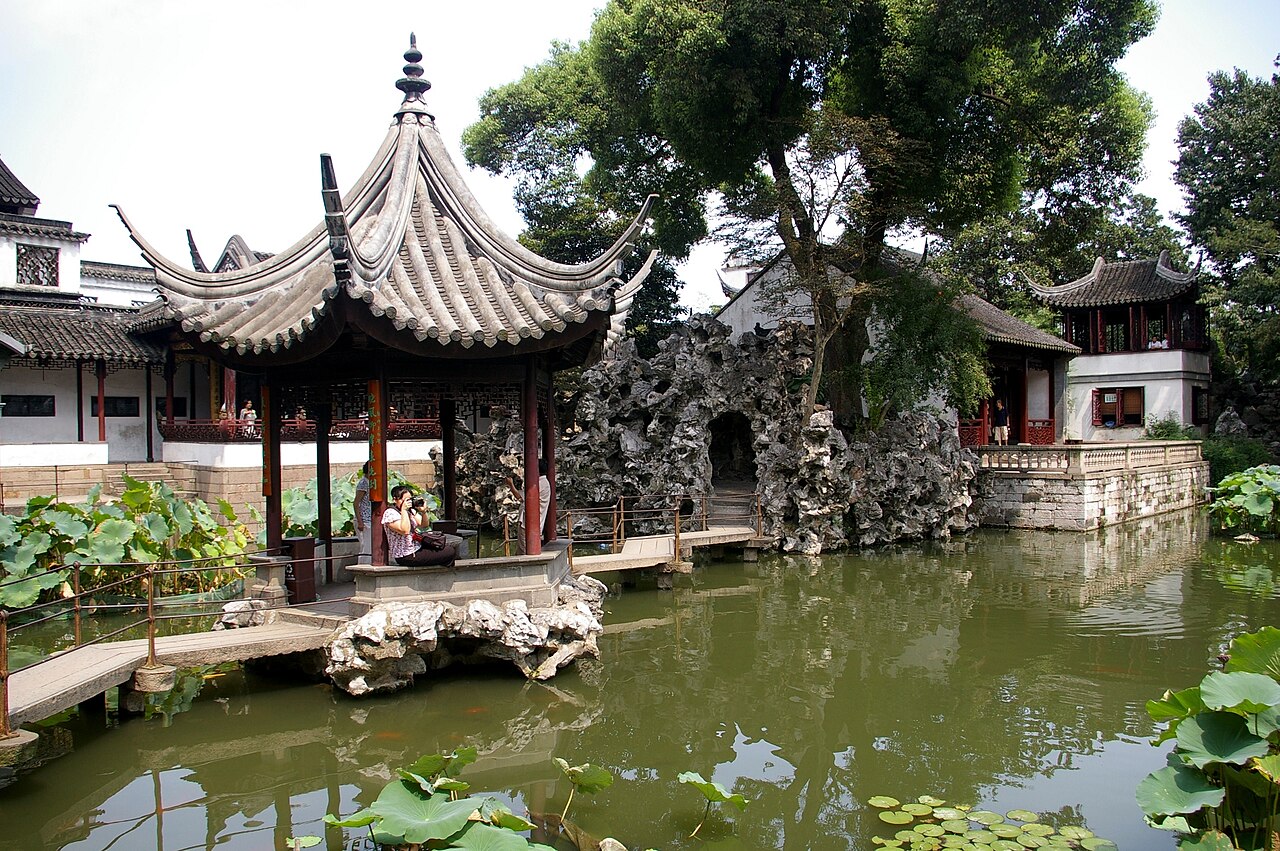
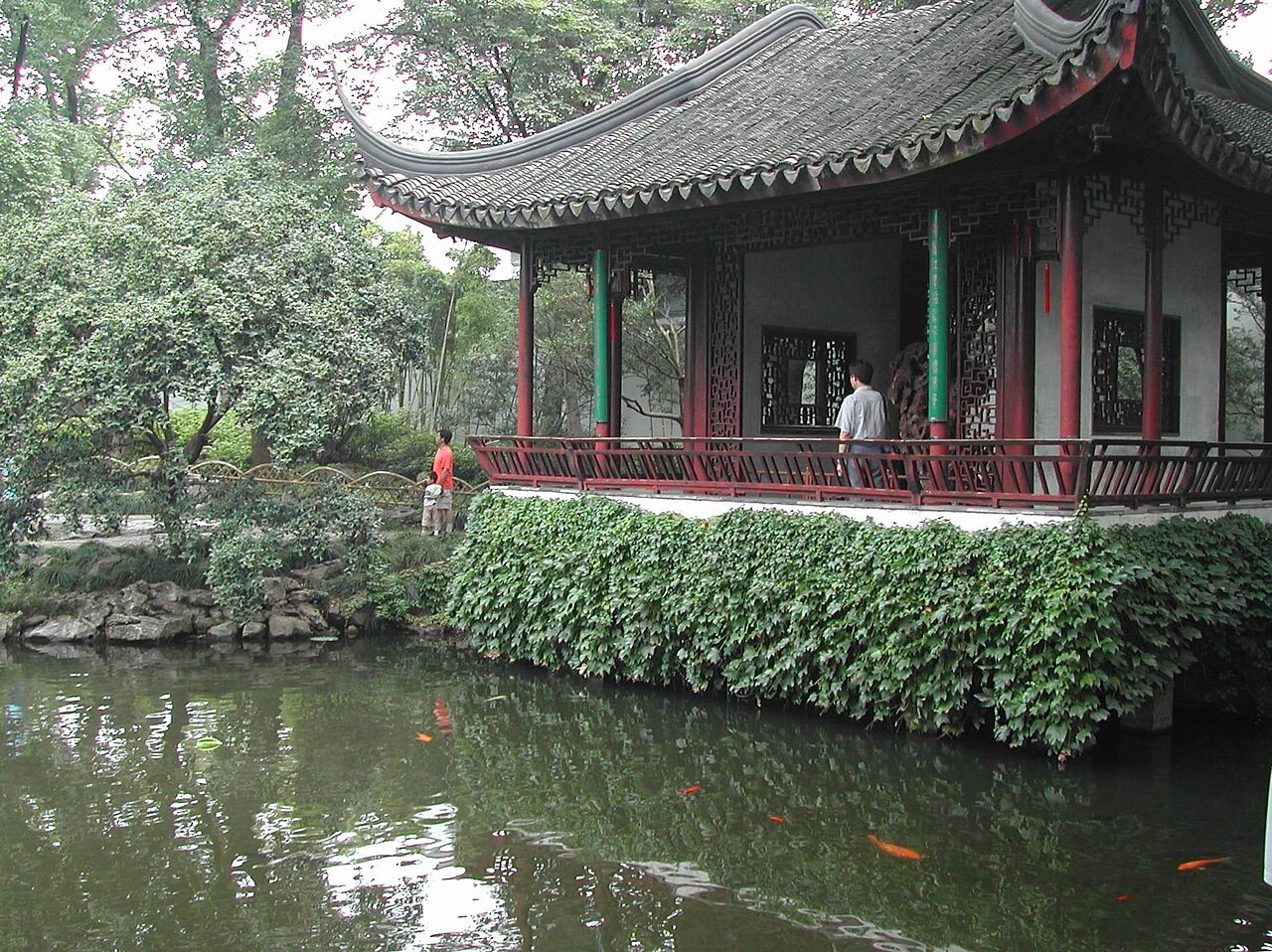
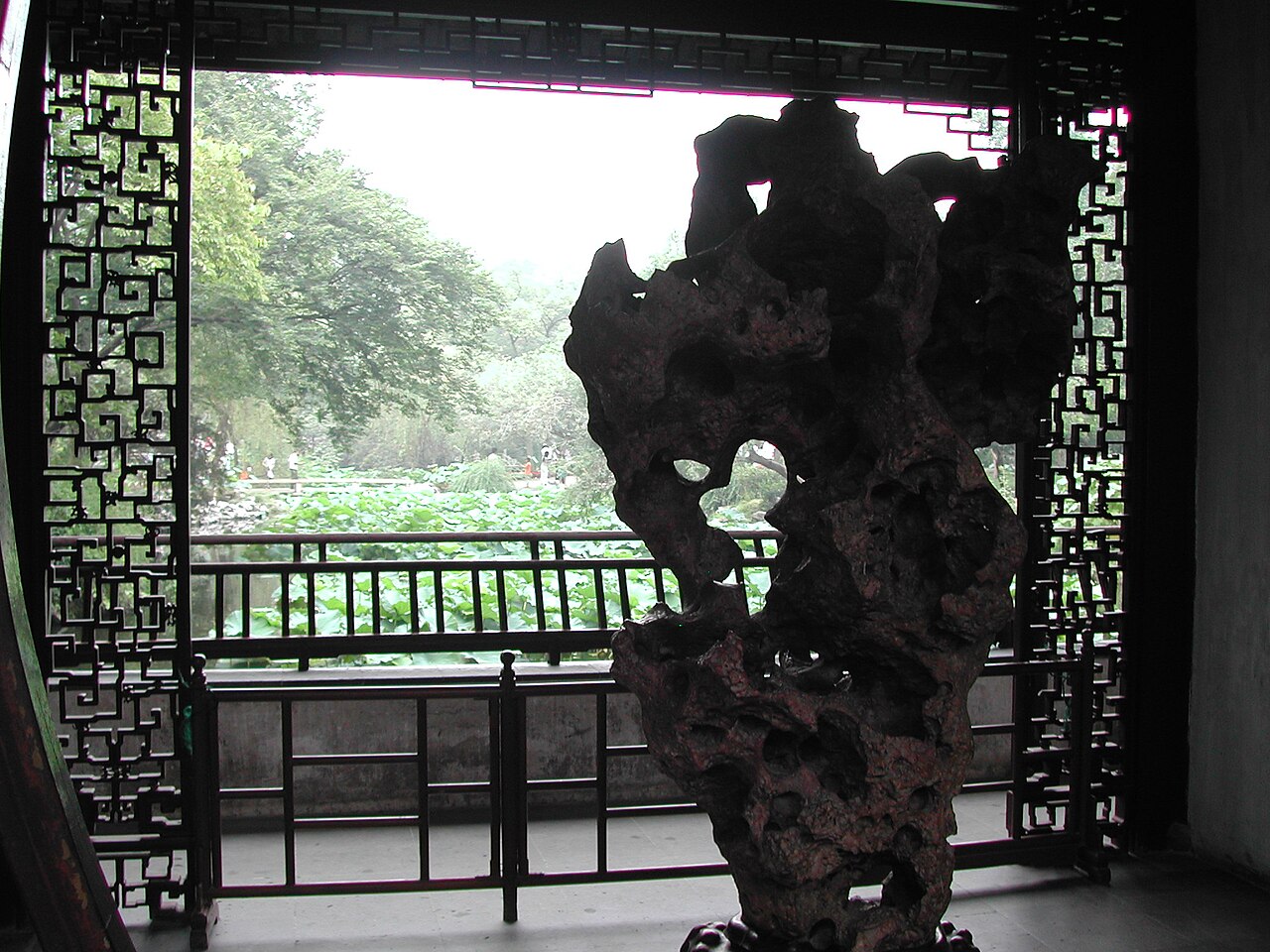
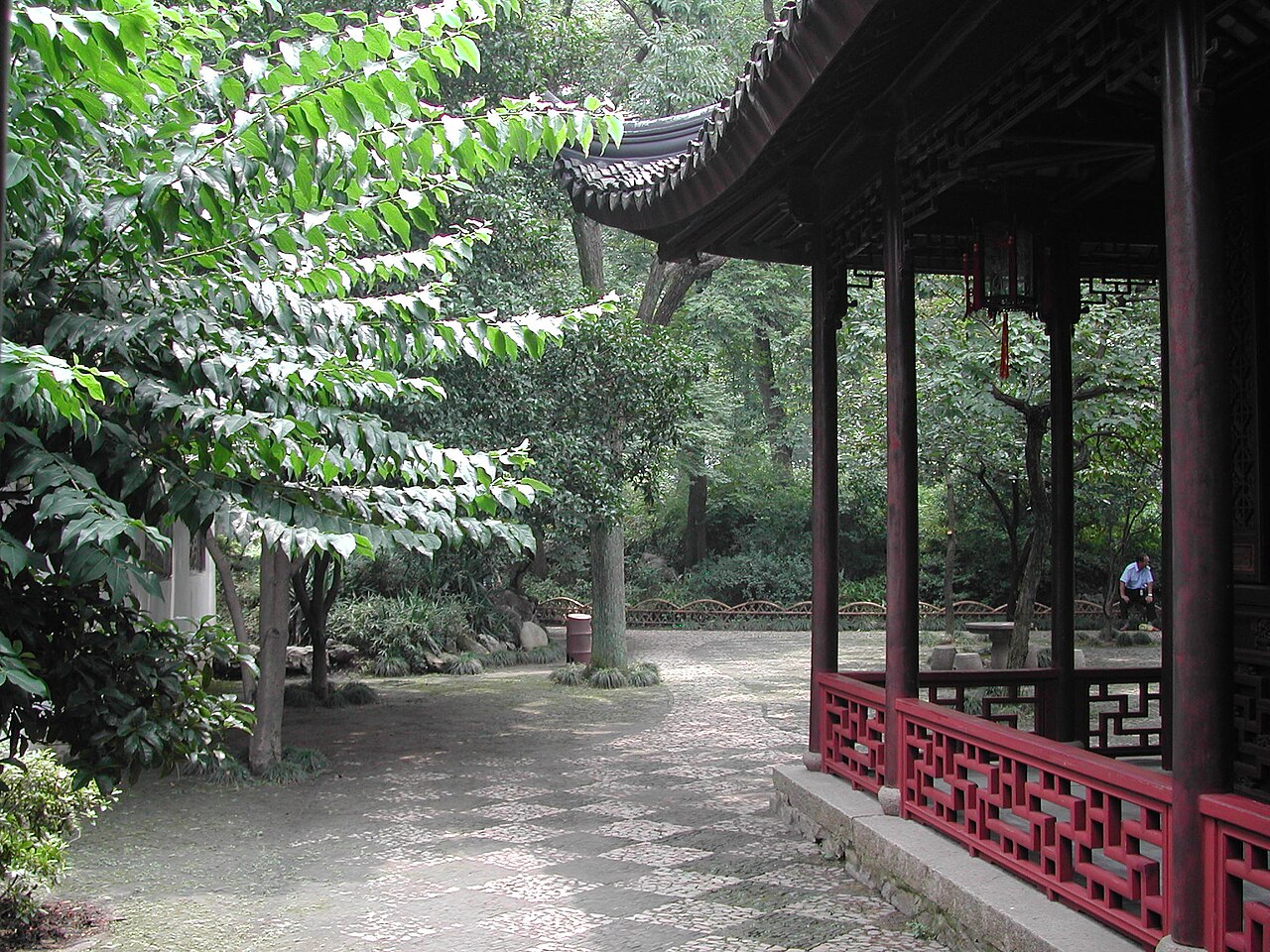
The Classical Gardens of Suzhou are a group of gardens in the city of Suzhou, Jiangsu, China, that are on the UNESCO World Heritage List. Spanning almost one thousand years from the Northern Song to the late Qing dynasties (11th–19th century), these gardens were mostly built by scholars and standardized key features of classical Chinese garden design, with constructed landscapes mimicking natural scenery of rocks, hills, and rivers, along with strategically located pavilions and pagodas.
- famous designers
- Zhang Nanyuan (or Zhang Lian), Ji Cheng, Ge Yuliang, Chen Congzhou
Lore & Background
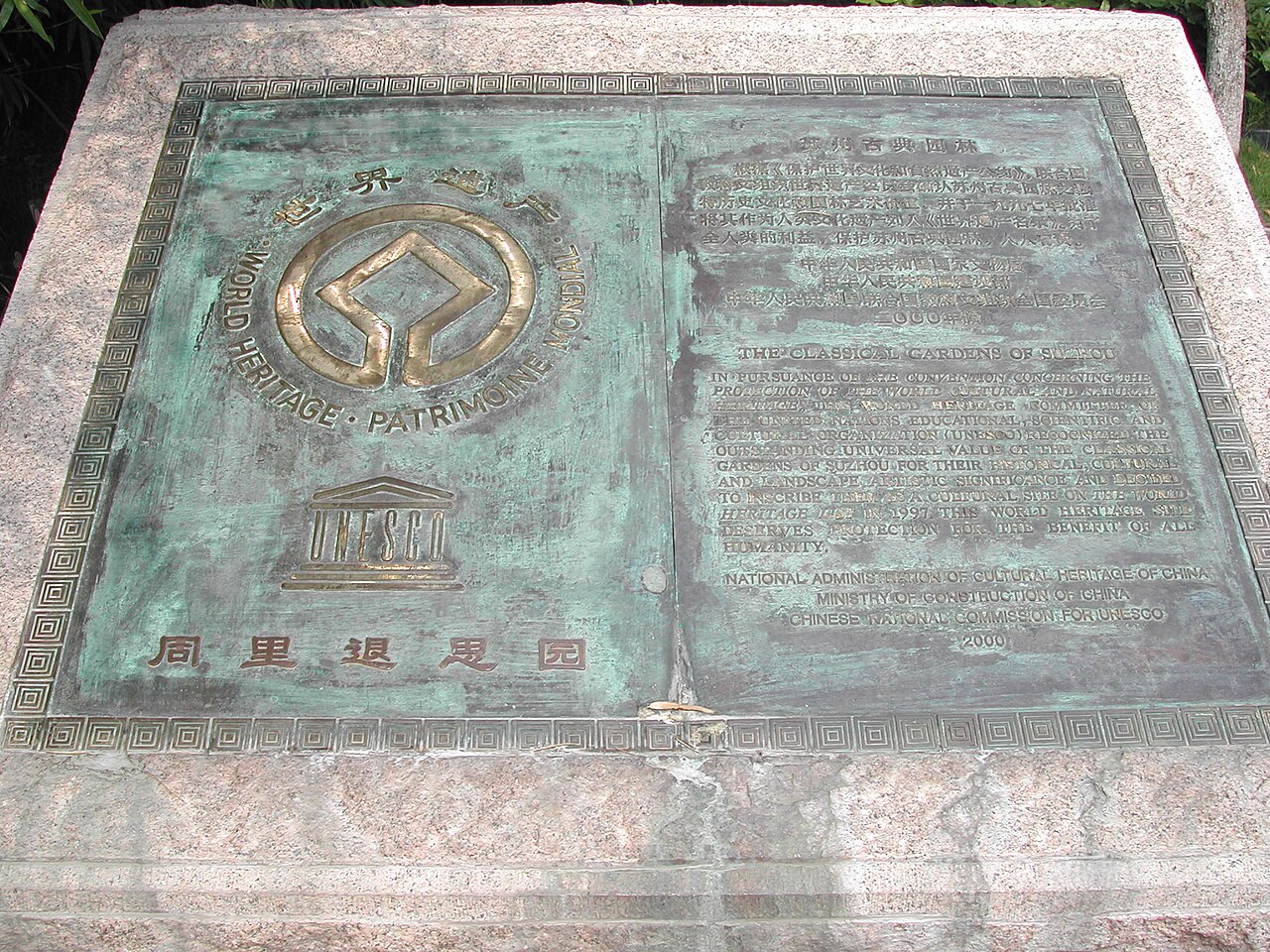
The Classical Gardens of Suzhou flourished from the mid-Ming to early-Qing dynasties, when as many as 200 private gardens existed. Today, 69 preserved gardens remain, a subset of which are officially listed as Major Historical and Cultural Sites Protected at the National Level. In 1997 and 2000, eight of the finest gardens in Suzhou, along with one in the nearby ancient town of Tongli, were selected by UNESCO as a World Heritage Site to represent Suzhou-style classical garden art.
Reader's Guide
The Classical Gardens of Suzhou are significant for standardizing many key features of classical Chinese garden design over nearly a thousand years. Their elegant aesthetics and delicate style have been imitated by gardens across China, including imperial gardens such as those in the Chengde Mountain Resort. UNESCO states that these gardens 'represent the development of Chinese landscape garden design over more than two thousand years' and are the 'most refined form' of garden art. The site is monitored under a comprehensive plan by the Suzhou Municipal Administrative Bureau of Gardens, which oversees routine maintenance and programmed conservation projects. Famous garden designers associated with these gardens include Zhang Liang, Ji Cheng, Ge Yuliang, and Chen Congzhou.
Did You Know?
- The gardens span almost one thousand years, from the Northern Song to the late Qing dynasties (11th–19th century).
- Eight of the finest gardens in Suzhou and one in Tongli were selected by UNESCO as a World Heritage Site in 1997 and 2000.
- As many as 200 private gardens existed during the mid-Ming to early-Qing dynasties.
- The Suzhou Municipal Administrative Bureau of Gardens is responsible for the site's monitoring and conservation.
A Millennium of Scholarly Landscape Art
The Classical Gardens of Suzhou represent nearly a thousand years of continuous artistic development, stretching from the Northern Song dynasty through the late Qing period, spanning the eleventh through nineteenth centuries. Unlike many garden traditions shaped by royal patronage, these Suzhou landscapes were predominantly the work of scholars who sought to distill the grandeur of the natural world into intimate, walkable spaces. Their design vocabulary became a kind of standard for classical Chinese garden art: artificial rock formations, miniature hills, and winding waterways that evoke rivers, all punctuated by pavilions and pagodas placed with deliberate strategic intent. The result is a constructed landscape that mimics nature without copying it—a philosophy of suggestion over replication. This scholarly approach gave the gardens their characteristic elegance and subtlety, a delicate style that set them apart from more monumental garden traditions elsewhere in China and established a compositional grammar that would influence landscape design for centuries to come.
A Blueprint for China's Garden Tradition
The aesthetic principles codified in Suzhou's scholar gardens proved so influential that they became a template for garden design far beyond the city's walls. Gardens in other regions of China, including the grand Imperial Gardens at the Chengde Mountain Resort, have drawn on the same vocabulary of subtle elegance and refined composition that Suzhou's creators perfected. UNESCO's own assessment underscores this broader significance, describing the Suzhou collection as embodying the development of Chinese landscape garden design across more than two thousand years and calling it the most refined form of garden art. This is a remarkable distinction: a group of private, city-bound gardens credited with representing the pinnacle of an entire civilization's horticultural and landscape tradition. Their power lies not in scale but in the precision of their details—the way a single rock arrangement or a carefully framed view conveys the spirit of mountains and rivers in miniature. Their influence testifies to how a regional tradition can come to define a national aesthetic.
From Two Hundred to Sixty-Nine: Survival and Recognition
At the height of their popularity during the mid-Ming and early-Qing dynasties, Suzhou boasted as many as two hundred private gardens, a testament to the city's wealth and its residents' devotion to cultivated landscape. Centuries of upheaval and urban change reduced that number dramatically, yet sixty-nine gardens survive today, each formally designated as a protected National Heritage Site. The most celebrated among them received the highest international recognition: in 1997 and again in 2000, UNESCO inscribed eight of Suzhou's finest gardens, together with one garden in the nearby ancient town of Tongli, as a World Heritage Site. This two-phase inscription was specifically intended to represent the art of Suzhou-style classical gardens as a unified tradition. The fact that the selection required two separate UNESCO sessions speaks to the depth and variety of the collection. Today, the Suzhou Municipal Administrative Bureau of Gardens oversees a comprehensive monitoring plan covering both routine maintenance and programmed conservation projects across all the sites, ensuring that what survived is preserved for future generations.
Masters Behind the Stones
While the gardens are often experienced as organic, almost natural spaces, they are in fact the product of deliberate artistic vision. Several designers achieved lasting fame for their work in Suzhou, including Zhang Liang, Ji Cheng, Ge Yuliang, and Chen Congzhou. These figures helped standardize the key compositional features that define classical Chinese garden design: the interplay of constructed rock and hill forms with water, the strategic placement of pavilions and pagodas to frame views, and the overall philosophy of mimicking natural scenery within a bounded, walkable space. Their contributions transformed garden-making from a craft into a recognized art form, one that scholars could study, refine, and pass forward. The legacy of these designers is visible in every preserved garden in Suzhou and, by extension, in the countless gardens across China that imitated their principles. Their work also underpins the UNESCO World Heritage designation, which credits the Suzhou collection with representing over two millennia of landscape design evolution. In recognizing these gardens, UNESCO was in effect recognizing the accumulated genius of generations of designers who treated a walled courtyard as a canvas for the entire natural world.
Gallery
Frequently Asked Questions
What are the Classical Gardens of Suzhou?
They are a collection of scholar-designed gardens in Suzhou, Jiangsu province, recognized together as a UNESCO World Heritage Site. Their construction stretches from the Northern Song dynasty through the late Qing, covering roughly nine centuries.
Who are the famous designers associated with Suzhou's classical gardens?
Notable figures include Zhang Nanyuan (also known as Zhang Lian), Ji Cheng, Ge Yuliang, and Chen Congzhou. These scholars and artisans shaped the design language that later became the standard for classical Chinese garden aesthetics.
What time period do the Classical Gardens of Suzhou span?
The gardens were built and refined over nearly a thousand years, from the 11th-century Northern Song era through the 19th-century late Qing period. This long timeline means the group reflects evolving tastes across multiple dynasties.
Why are the Classical Gardens of Suzhou considered important?
They codified the key principles of classical Chinese garden design, showing how artificial landscapes can convincingly imitate natural scenery like rocks, hills, and rivers. Their strategic placement of pavilions and pagodas set a template that influenced garden architecture well beyond Suzhou.
What kind of people built the Classical Gardens of Suzhou?
Most of these gardens were commissioned and designed by scholars rather than emperors or merchants. This gave them a distinctive literati aesthetic focused on poetic, miniature landscapes rather than imperial grandeur.
More in World Heritage Sites in China 1-24
Spotted an error? Know more?
This is a living reference — every entry is fact-audited, and reader corrections feed straight into our audit queue. Suggest an edit · See this site's audit record