
Chengde Mountain Resort
Qing imperial summer resort with diverse landscapes and architecture.

takwing.kwong · CC BY-SA 2.0
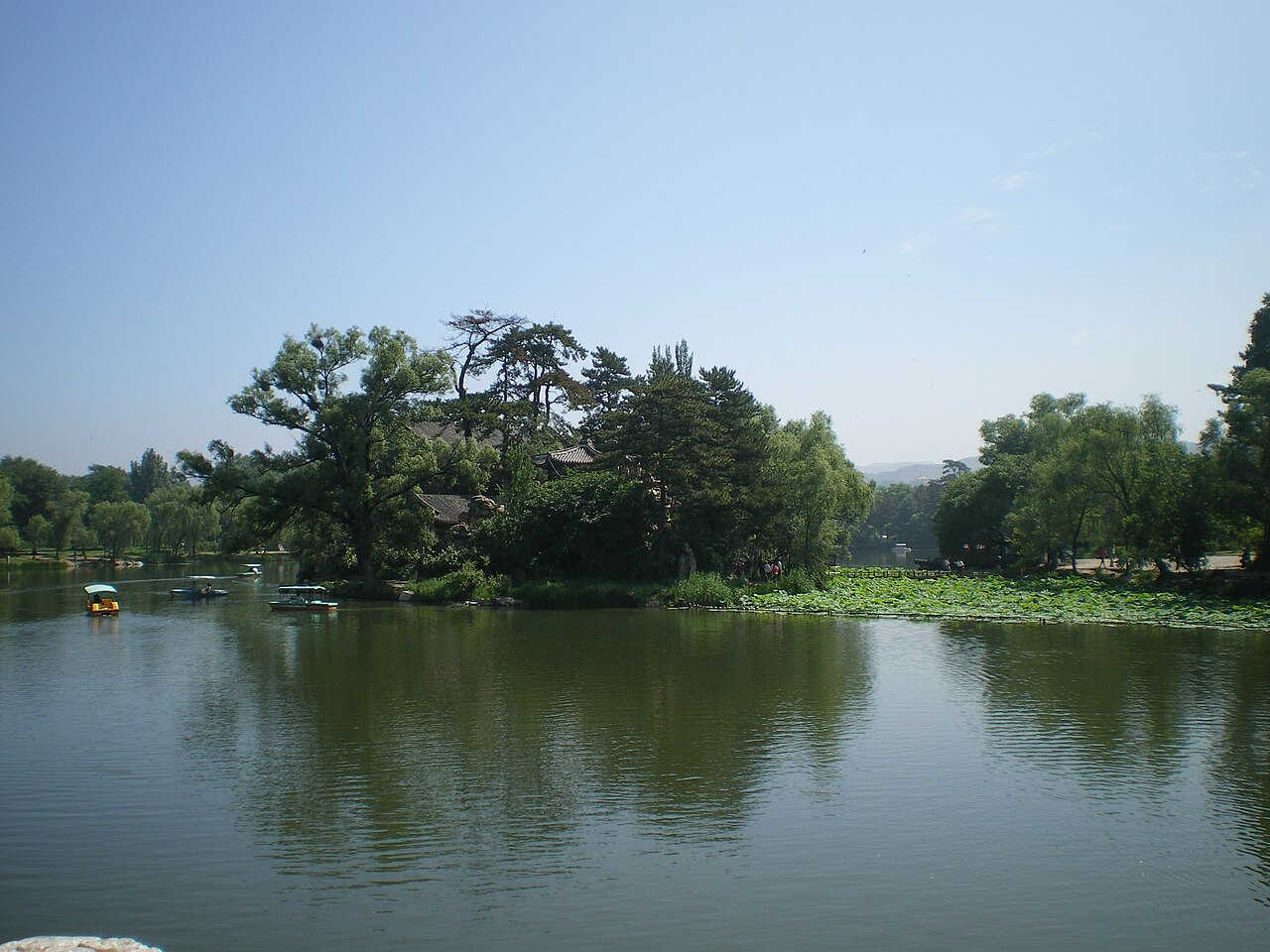
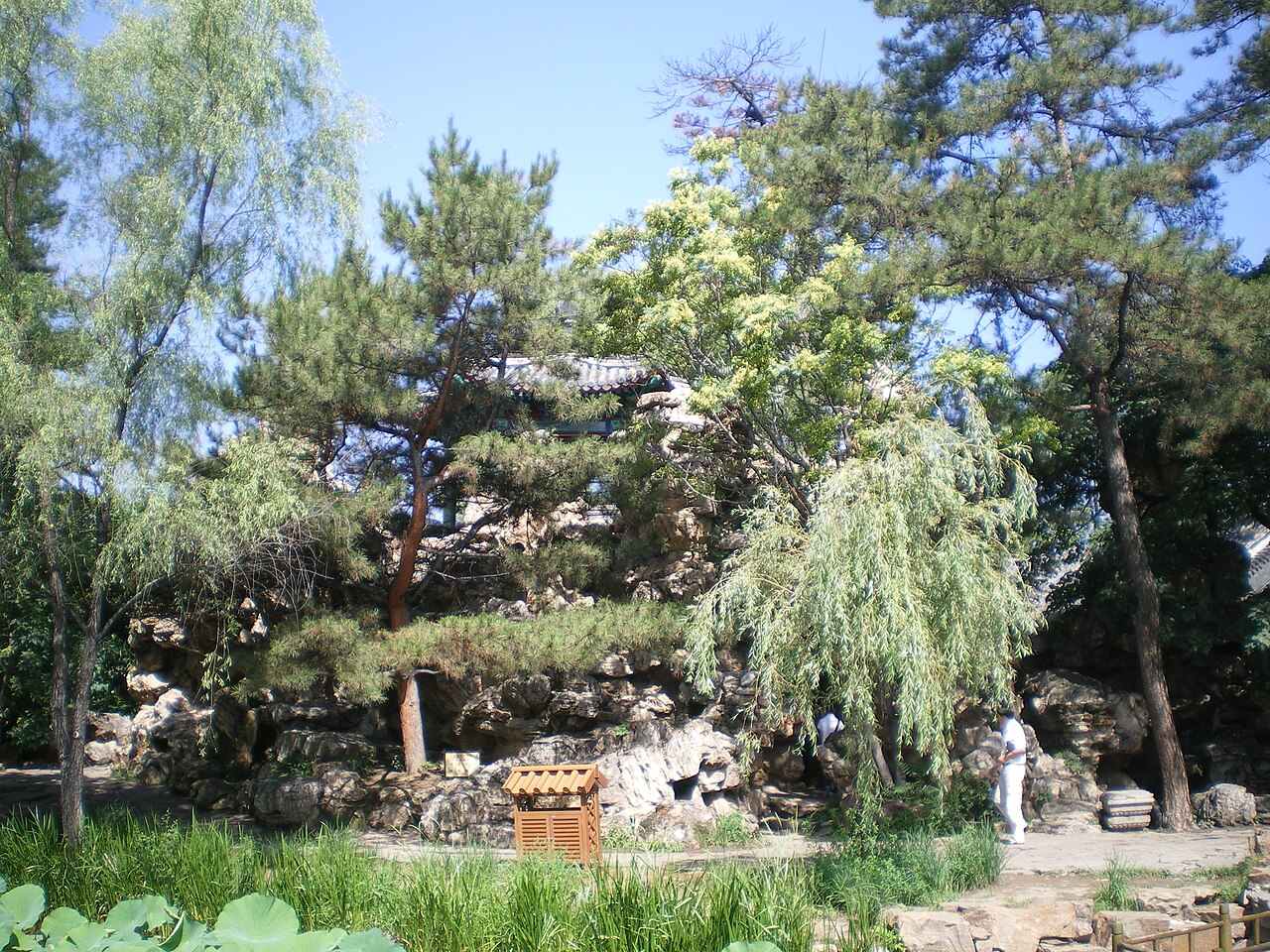
Chengde Mountain Resort is a large complex of imperial palaces and gardens located in the Shuangluan District (or the urban area) of Chengde in northeastern Hebei province, northern China, about 225 kilometers northeast of Beijing. Built between 1703 and 1792 by Chinese architects, it took 89 years to complete and covers a total area of 5.6 square kilometers. The resort was used as a summer retreat by Qing emperors and is considered a culmination of various Chinese landscapes and architecture, featuring gardens, pagodas, temples, and palaces from different regions of China. In 1994, it was awarded World Heritage Site status.
- area
- 5.6 km² (2.2 sq mi)
Lore & Background
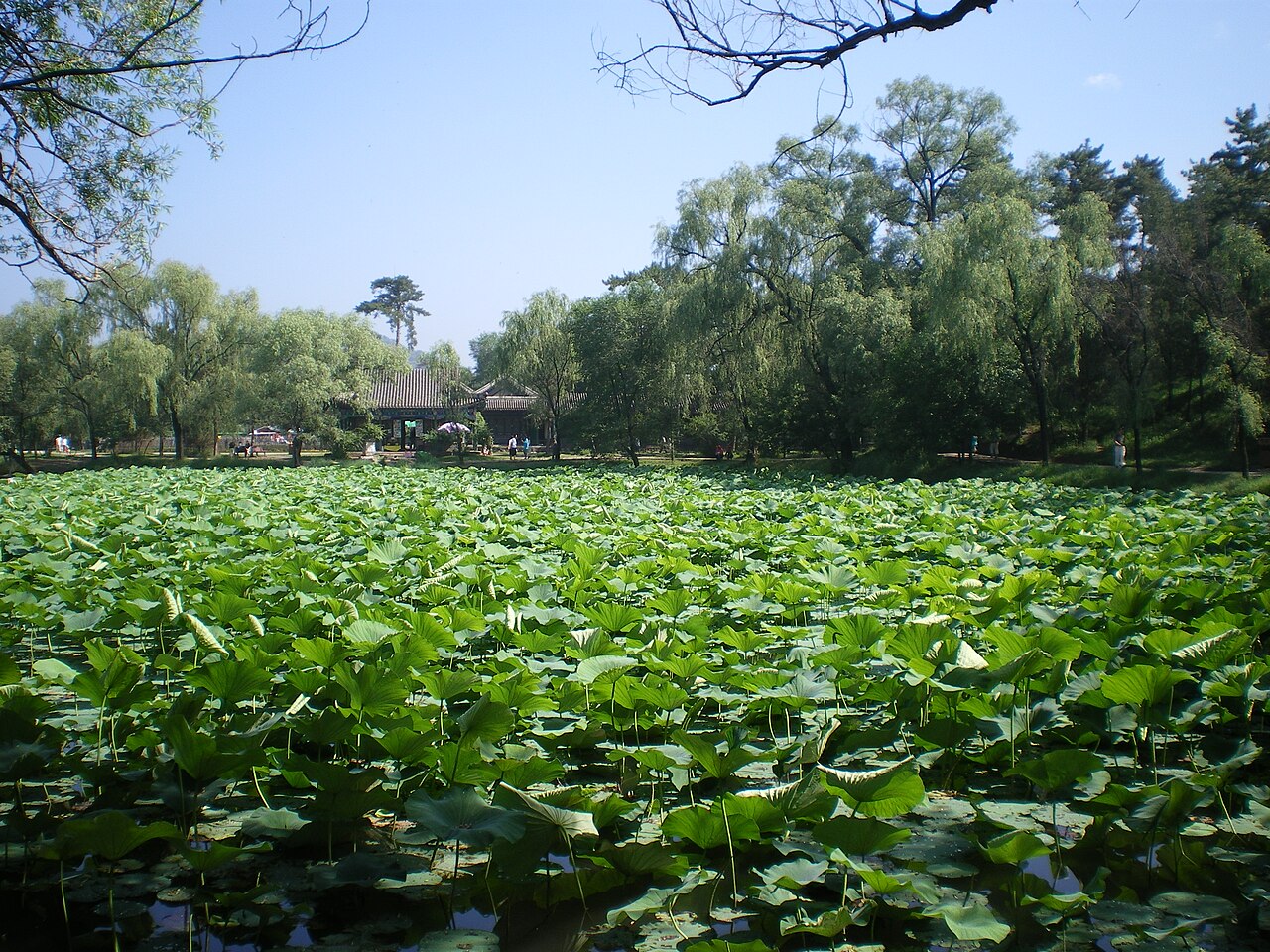
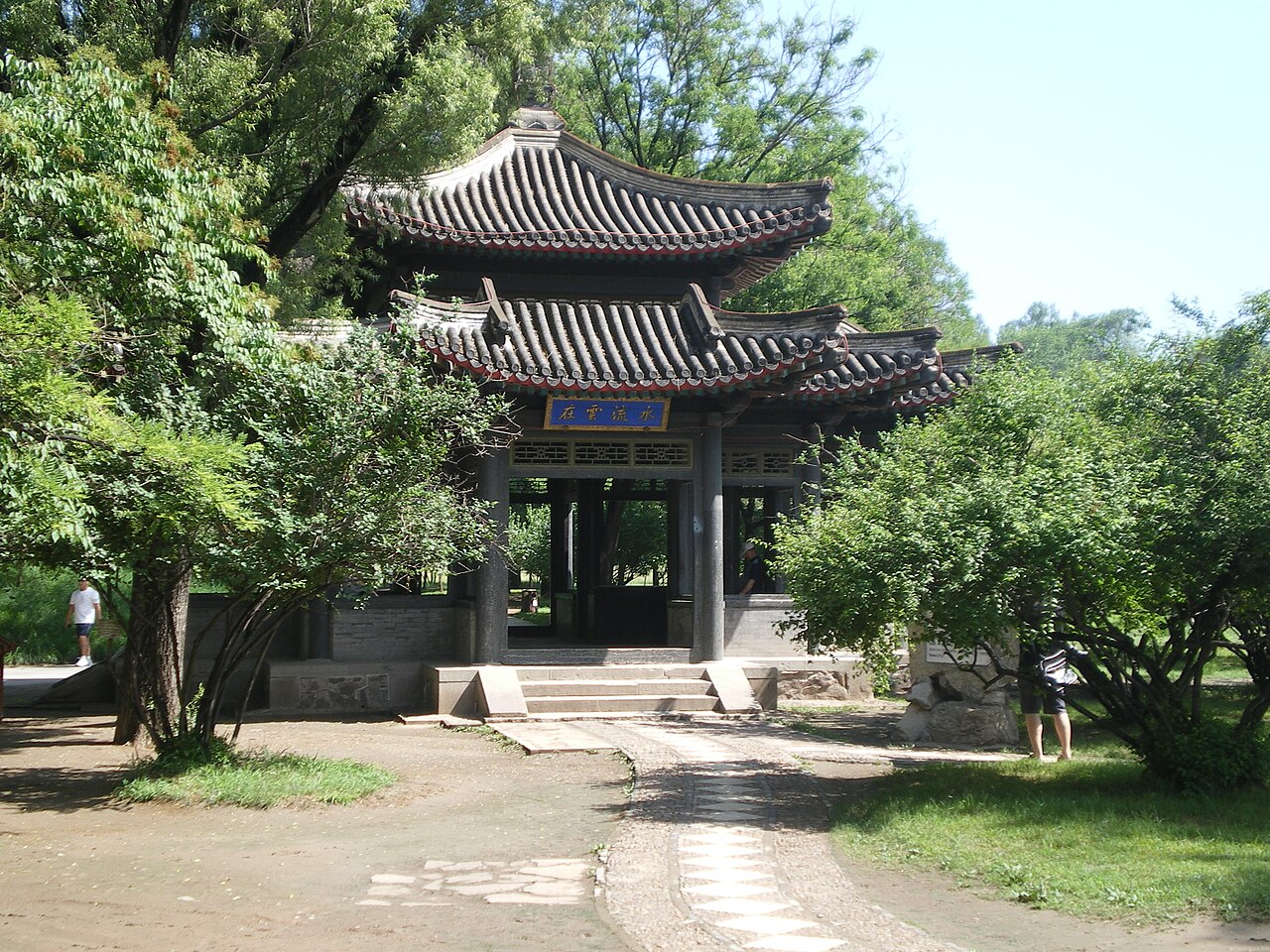
The Mountain Resort was built between 1703 and 1792, taking 89 years to complete. It covers 5.6 square kilometers. The complex includes palaces, administrative and ceremonial buildings, and temples of various Chinese architectural styles, all blending into a landscape of lakes, pastureland, and forests. The palace zone in the southern part was designed to resemble the Forbidden City in Beijing, with a court in front for receiving officials and foreign envoys, and bed chambers in the rear for the imperial family. The Yanbozhishuang Hall was completed in 1711 during the Kangxi period and was used by the Kangxi Emperor himself during his summer stays at the resort.
Reader's Guide
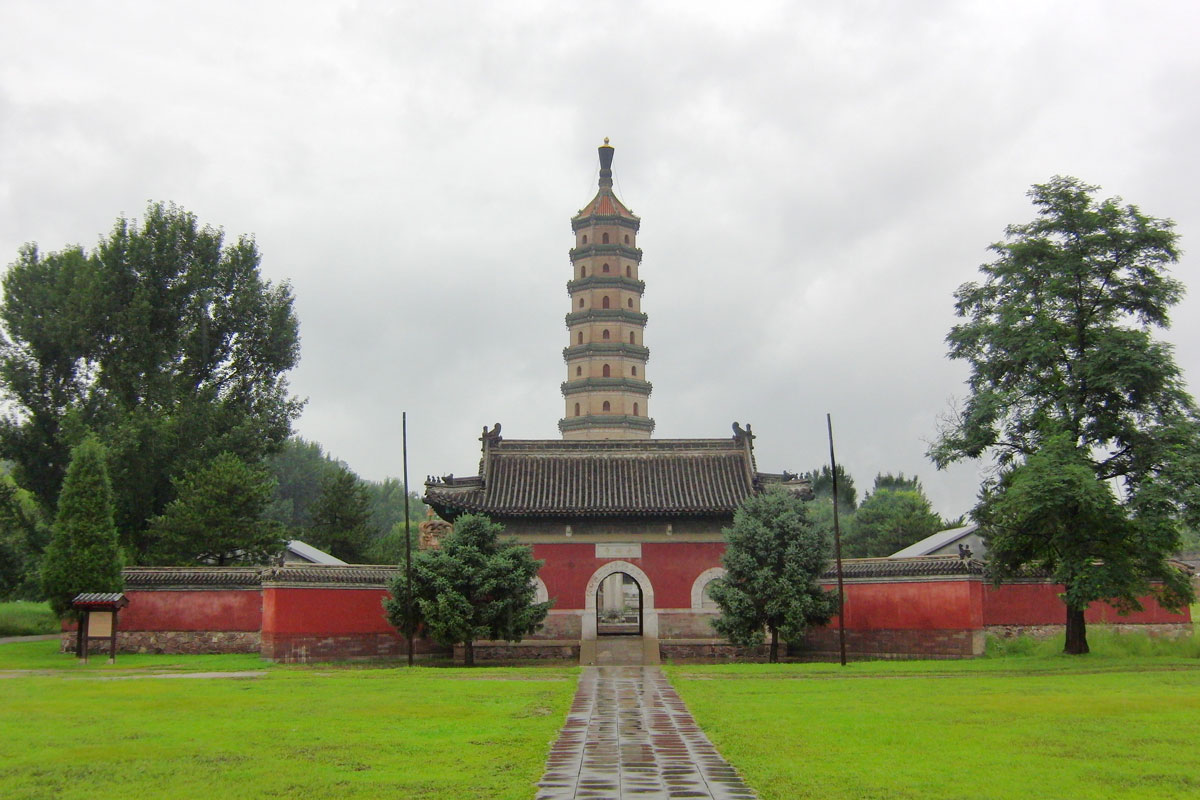
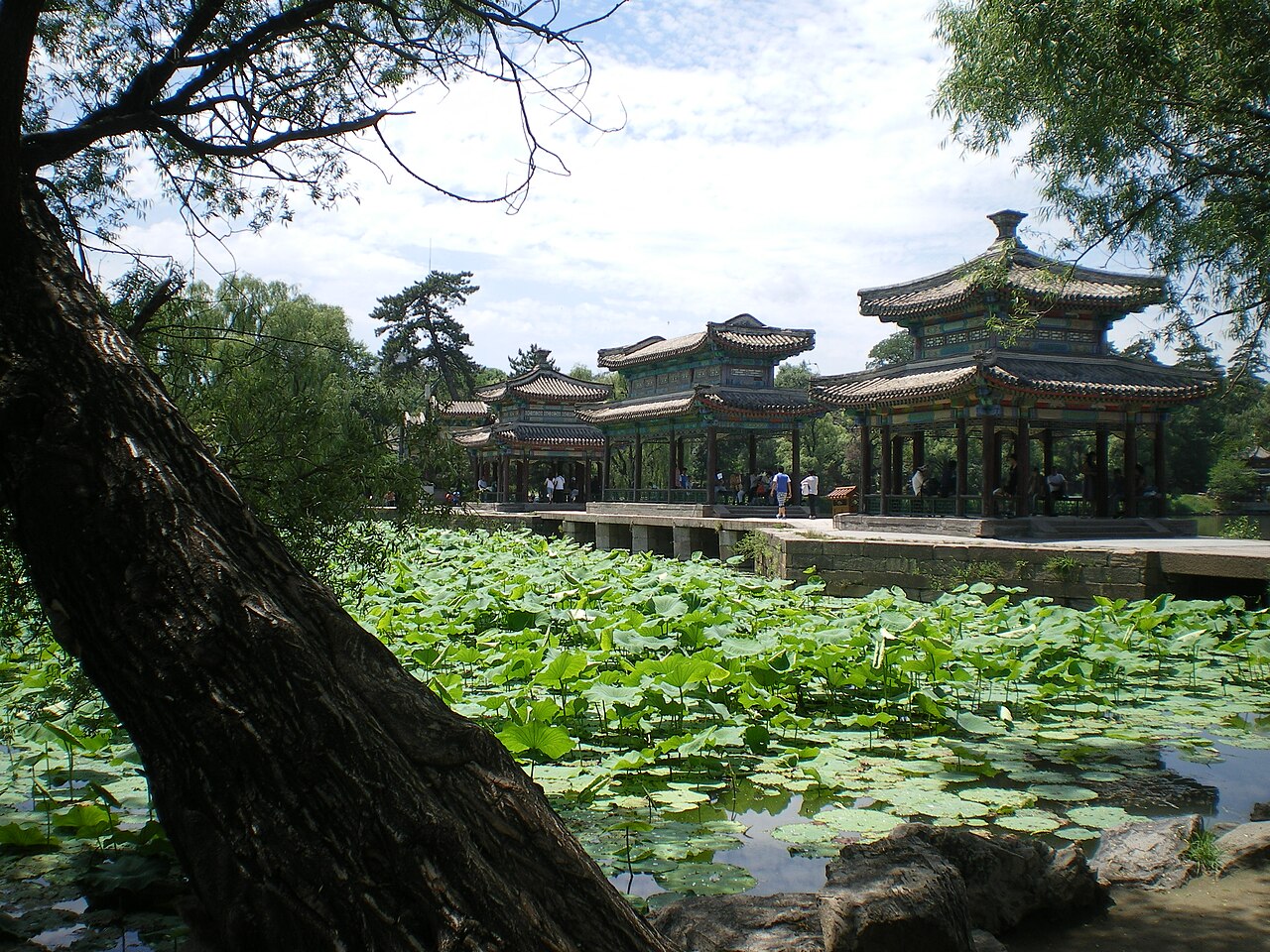
Chengde Mountain Resort is significant as a vast imperial summer retreat that showcases a rich collection of Chinese landscapes and architecture, representing styles from across China. Its 72 scenic spots, named by the Kangxi and Qianlong emperors, include copies of famous southern Chinese gardens, such as the Tower of Mist and Rain modeled after a tower at Nanhu Lake in Zhejiang. The plain area features Mongolian grassland characteristics, and the forested mountains include a 70-meter-tall stone pagoda built in 1751, one of the tallest in China. The resort's climate, with a large temperature difference between day and night and few hot periods due to summer thundershowers, made it suitable for escaping Beijing's heat. Its legacy includes being listed as a World Heritage Site in 1994 and being one of China's four famous gardens, a national relic protection unit, and a Class 5A Tourist Attraction. The resort also hosted the 2018 Women's Bandy World Championship on a naturally frozen lake.
Did You Know?
- The resort took 89 years to build, from 1703 to 1792.
- It covers 5.6 km².
- The Kangxi Emperor spent summers at the Yanbozhishuang Hall.
- The 2018 Women's Bandy World Championship was held on a naturally frozen lake within the complex.
A Decades-Long Imperial Masterpiece
The Chengde Mountain Resort was not built in a single ambitious burst but rather accumulated over nearly nine decades, with construction spanning from 1703 to 1792 under the direction of Chinese architects. The finished complex stretches across 5.6 square kilometres, a footprint so vast that it occupies roughly half of the modern urban area of Chengde itself. Within that expanse, the design weaves together palaces, administrative halls, ceremonial structures, temples in multiple architectural traditions, and cultivated gardens, all set against a natural backdrop of lakes, open pastureland, and dense forests. The result is a landscape that functions less as a single building and more as an entire region shaped for imperial use. It sits in the Shuangqiao District of Chengde, in northeastern Hebei province, roughly 225 kilometres northeast of Beijing. The resort has also been known by alternative names throughout its history, including Rehe Xinggong and Ligong, reflecting its role as a seasonal retreat separate from the capital.
Court, Ceremony, and the Rhythm of Imperial Summers
For the Qing dynasty rulers, the resort served as a seasonal escape from the punishing summer heat of Beijing, and many emperors spent several months of each year within its walls. The palace zone in the southern portion of the complex was deliberately designed to echo the Forbidden City, creating a familiar imperial environment far from the capital. Its layout followed a clear functional logic: a front court where the emperor received high-ranking officials, nobles from various minority nationalities, and foreign diplomatic envoys, and a rear section of bed chambers that housed the imperial family's private living quarters. The Yanbozhishuang Hall in those rear chambers became a site of deep dynastic memory—the Kangxi Emperor spent twelve summers there over the course of his reign, while the Qianlong Emperor returned for an astonishing fifty-two summers. The resort thus became not merely a vacation destination but a working seat of governance, where political audiences and personal rest coexisted for generations.
A Landscape of Borrowed Beauty and Monumental Ambition
The resort's seventy-two named scenic spots, christened by the Kangxi and Qianlong emperors, represent a deliberate act of architectural and aesthetic synthesis. Around the lake area, designers drew inspiration from celebrated southern Chinese gardens; the Tower of Mist and Rain on Green Lotus Island, for example, is a direct homage to a tower at Nanhu Lake in Jiaxing, Zhejiang Province. Moving to the plain areas of the complex, the scenery shifts to evoke the sweeping openness of Mongolian grasslands, with forested mountains and valleys punctuated by structures of varied character. Among the most striking of these is a stone pagoda rising seventy metres, one of the tallest in the country, completed in 1751 during the Qianlong reign. It stands on an octagonal base, its nine stories sheathed in colorful glazed tiles, and its steeple is crowned with a gilded round spire. Together, these elements make the resort a microcosm of China's diverse architectural and landscape traditions compressed into a single site.
Enduring Recognition and a Living Site
The resort's standing in both national and international heritage circles is substantial. It is recognized as one of China's four most celebrated gardens, holds the status of a national relic protection unit, and carries the highest domestic tourism classification as a Class 5A attraction. In December 1994, UNESCO inscribed it on its World Heritage list, affirming its significance on a global scale. Its climate—semi-temperate and semi-arid, with a continental monsoon pattern, large day-night temperature swings, cold winters with little snow, and summer thundershowers that keep prolonged heat rare—makes it a viable destination in every season, though April through October is generally considered the optimal window. The site also continues to host large-scale events: in 2018, the Women's Bandy World Championship was staged on a naturally frozen sheet of ice at the resort's lake, demonstrating that the complex remains a living, multifunctional space rather than a static museum.
Gallery
Frequently Asked Questions
What is the Chengde Mountain Resort?
It is a sprawling imperial garden and palace complex in Hebei province that served as the summer retreat for Qing dynasty emperors. Spanning 5.6 square kilometers, it blends gardens, temples, pagodas, and palaces inspired by landscapes from across China.
Where is the Chengde Mountain Resort located?
The site sits in the Shuangqiao District of Chengde, in northeastern Hebei province, roughly 225 kilometers northeast of Beijing.
How long did it take to build the Chengde Mountain Resort?
Construction ran for 89 years, from 1703 to 1792, making it one of the longest continuous imperial building projects in Chinese history.
What makes the Chengde Mountain Resort architecturally unique?
Rather than following a single regional style, the complex weaves together gardens, pagodas, temples, and palaces drawn from many different parts of China into one unified landscape. This synthesis of diverse architectural traditions is what sets it apart from other imperial gardens.
When was the Chengde Mountain Resort designated a World Heritage Site?
UNESCO granted it World Heritage status in 1994, recognizing it as an outstanding example of how multiple Chinese architectural traditions can be harmonized into a single imperial landscape.
More in World Heritage Sites in China 1-24
Spotted an error? Know more?
This is a living reference — every entry is fact-audited, and reader corrections feed straight into our audit queue. Suggest an edit · See this site's audit record